Health
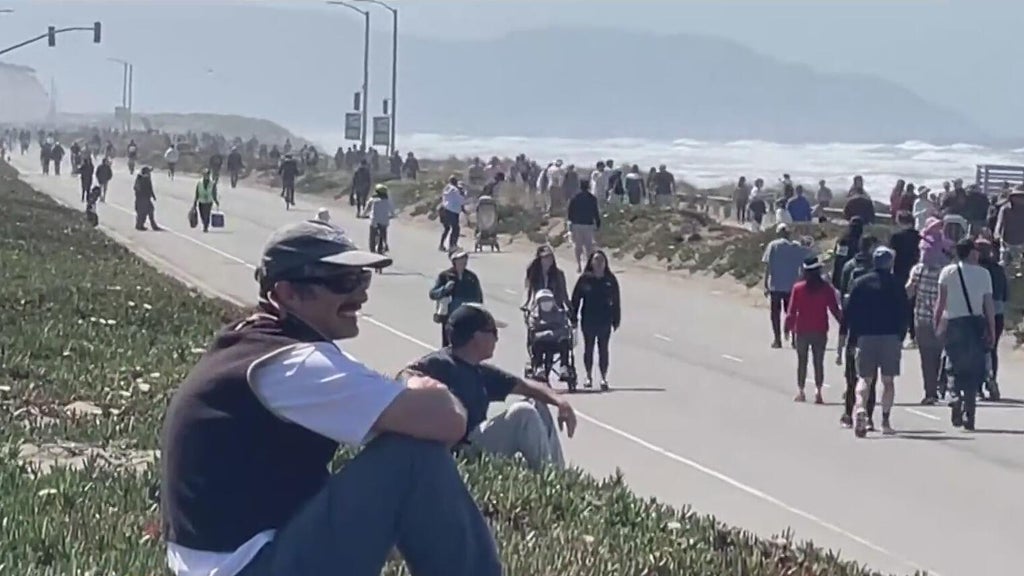
Plan to reopen San Francisco's Great Highway appears to fail, officials say
By Marcus Chen
Advertisement · Why this ad?
Marcus manages the day-to-day editorial workflow across all brands, coordinating coverage assignments and ensuring editorial standards are met. He previously served as city editor at the Pioneer Press and holds a degree in Political Science from Carleton College.
More from Marcus →
As the sun set over the Bay Area, a palpable sense of relief washed over transit advocates and commuters alike. Voters had just approved Measure RTM, a crucial regional sales tax aimed at funding transit agencies across five counties. This decision, made on election day, was more than just a vote; it was a lifeline for the Bay Area's struggling public transportation system.
The Regional Transit Measure (RTM) passed with overwhelming support from voters in Alameda, Contra Costa, San Francisco, San Mateo, and Santa Clara counties. This measure, which introduces a 0.5% sales tax across the four counties, comes at a critical time when transit agencies are facing significant financial challenges. In San Francisco, a 1% sales tax will also be implemented to bolster Muni services. The passage of RTM is expected to generate approximately $1 billion annually for transit agencies, crucial for maintaining and improving services.
The measure qualified for the ballot after extensive grassroots efforts, including the collection of over 300,000 signatures and the legislative backing from Governor Gavin Newsom and state lawmakers. This broad coalition of support reflects a collective acknowledgment of the importance of reliable public transit in the region.
Without the funding from Measure RTM, major cuts to transit services were on the horizon. BART, Muni, Caltrain, and AC Transit all warned of looming deficits exacerbated by the expiration of federal pandemic relief funding. The approval of RTM has thus not only staved off these cuts but has also provided a framework for future investments in transit infrastructure.
The response from community leaders and transit officials has been overwhelmingly positive. BART officials expressed gratitude for the voter support, emphasizing that while Measure RTM addresses immediate financial challenges, it does not fully resolve the agency's long-term structural deficits. BART anticipates an estimated $310 million annually from the measure starting in FY28. However, they acknowledged the need for ongoing financial discipline and operational efficiencies.
AC Transit board president Diane Shaw highlighted the accountability measures that will accompany the funding, stating, "Every voter-approved dollar will be managed with strict financial oversight to ensure funds are invested where they will provide the greatest public benefit." This commitment to transparency is crucial for building trust among taxpayers who are footing the bill.
Support for Measure RTM was not limited to transit advocates; it garnered backing from a broad spectrum of political leaders, including Democratic Representatives Nancy Pelosi and Ro Khanna. Local mayors, such as San Francisco's Danie Lurie and Oakland's Barbara Lee, also voiced their support, recognizing the measure's potential to enhance public transportation services. As Carolyn Gonot, VTA general manager/CEO, stated, "Voters have made a powerful statement about the importance of public transportation to our region's future." This sentiment underscores a community united in the belief that robust transit options are essential for economic growth and accessibility.
The economic implications of Measure RTM are significant. With the Bay Area's population continuing to grow, the demand for efficient public transportation is greater than ever. The funding will allow transit agencies to enhance service reliability, improve infrastructure, and invest in innovative solutions for future mobility needs. The anticipated $1 billion per year will play a critical role in maintaining the region's economic vitality.
However, the passage of Measure RTM isn't without its critics. Opponents, including former BART Board Director Debora Allen, argue that transit agencies already receive substantial funding—around $6 billion annually from taxes, tolls, and grants. They contend that rather than imposing new taxes, agencies should undergo financial reforms to ensure accountability and efficiency.
Allen's concerns highlight a tension that exists between the need for funding and the demand for financial oversight. She criticized the lack of stringent oversight mechanisms in Senate Bill 63, which enabled the measure, suggesting that the legislation failed to provide adequate checks and balances for the funds raised. This debate is likely to continue as the implications of Measure RTM unfold.
Looking ahead, the implementation of Measure RTM will require careful planning and collaboration among transit agencies. The funding will not only help maintain existing services but also pave the way for future enhancements, including potential expansions and technology upgrades. As transit officials prepare to allocate the new resources, community engagement will be essential to ensure that the investments align with the needs of residents.
Additionally, the approval of Measure RTM coincides with San Francisco's Proposition H, which aims to levy a parcel tax to support Muni through 2042. With more than 72% of voters supporting Prop H, the combined financial support from both measures indicates a strong public commitment to public transit. This dual approach to funding could provide a robust safety net for the region's transit systems.
As the Bay Area navigates the post-pandemic recovery, the importance of public transit cannot be overstated. Reliable transportation options are crucial for connecting residents to jobs, healthcare, and education. The successful passage of Measure RTM is a significant step toward ensuring that these connections remain strong in the years to come.
The passage of Measure RTM has sparked a wave of optimism among community members who rely on public transit for their daily commutes. Local resident Maria Gonzalez, who takes BART to her job in San Francisco, expressed her relief, stating, "This means I can continue to get to work without worrying about service cuts. Public transit is my lifeline, and I’m grateful that voters have recognized its importance."
Community organizations, such as the Bay Area Transit Advocacy Coalition, have also celebrated the measure's passage. Their spokesperson, James Lee, remarked, "This is a victory for every person who relies on public transit. It shows that when we come together as a community, we can advocate for the services we need and deserve." Their efforts to mobilize grassroots support were instrumental in driving voter turnout.
The approval of Measure RTM marks a pivotal moment for the Bay Area's public transit landscape. With a renewed commitment to funding and accountability, transit agencies are poised to enhance services and address the pressing needs of the community. As residents look to the future, the importance of strong, reliable public transportation remains clear. The challenge now lies in ensuring that the funds are managed effectively and that the benefits are felt across all communities in the region.
By Marcus Chen

By Katherine Langford

By Marcus Chen

By Marcus Chen