Technology
Retired pilot on FAA ground stop
By Katherine Langford
Advertisement · Why this ad?
Katherine oversees editorial operations across all six brands. Before joining The Meridan Group, she spent 14 years at the Minneapolis Star Tribune, where she led the metro desk through its digital transformation. She holds a Master's in Journalism from Northwestern's Medill School.
More from Katherine →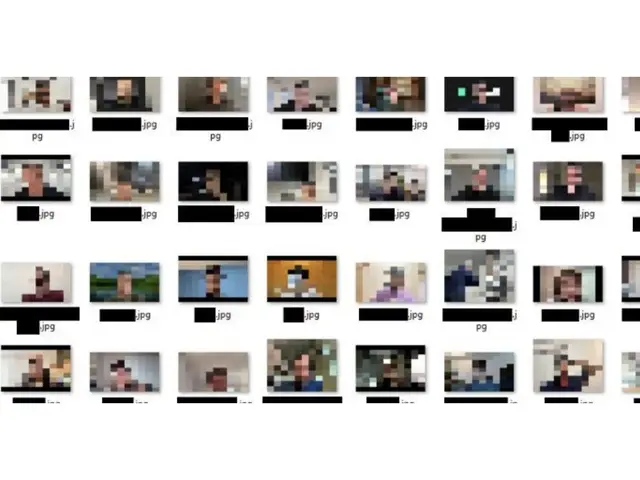
The unsettling reality that a trusted colleague’s video call might be a sophisticated deception, orchestrated by North Korean hackers thousands of miles away, has become a stark warning for Californians. The FBI recently issued an alert about “FaceStealer,” a complex scheme resulting in over $400 million in losses for nearly 900 victims, primarily targeting the state’s thriving technology and cryptocurrency sectors. This isn’t merely a technological inconvenience; it’s a profound breach of trust that demands vigilance and understanding within our community.
Federal authorities are sounding the alarm about “FaceStealer,” a North Korean hacking scheme utilizing fake Zoom and Teams meetings, secretly recorded webcam footage, and artificial intelligence-generated deepfakes to deceive victims. The U.S. Department of Justice reports that the scheme has led to the theft of more than $400 million in cryptocurrency over the past 18 months. The FBI’s Los Angeles Field Office played a key role in the investigation, which resulted in the seizure of cloud-based infrastructure used by the hackers and the recovery of over 900 secretly recorded webcam videos—evidence used to dupe others. The Department of Justice has been leading this investigation.
The North Korean regime's involvement adds a layer of geopolitical significance to the crime. North Korea has a history of state-sponsored cyberattacks, often targeting financial institutions and critical infrastructure. These activities are frequently linked to efforts to circumvent international sanctions and fund its weapons programs. The FaceStealer operation, with its sophisticated techniques and vast scale, underscores the growing threat posed by nation-state actors in the cyber realm. Understanding this context is crucial for appreciating the potential long-term implications of this attack. North Korea's cyber capabilities have been steadily increasing, and this operation demonstrates a willingness to target a wide range of victims for financial gain. Experts believe that the funds stolen through FaceStealer could be used to support North Korea's missile development program, further escalating tensions in the region. The East Bay region, with its strong ties to technology and international trade, is particularly vulnerable to these geopolitical cyber threats.
The technique is particularly insidious because it exploits our inherent trust in familiar faces and platforms. Hackers compromise legitimate accounts on platforms like Telegram, LinkedIn, Slack, and Discord to contact individuals within those accounts’ networks. This seemingly innocuous outreach often leads to a meeting invitation appearing to originate from a trusted source, masking the malicious intent behind the request. The scheme’s success hinges on exploiting our willingness to connect and collaborate, highlighting a vulnerability in our increasingly digital lives. Many businesses in Danville and surrounding areas rely heavily on these communication platforms for internal and external collaboration, making them particularly susceptible to this type of attack. Businesses in the East Bay, with their focus on innovation and often embracing new technologies rapidly, are especially important to monitor. The rise of remote work, accelerated by the pandemic, has further amplified this reliance on digital communication, creating a larger attack surface for malicious actors.
The rise of these platforms has fundamentally changed how we work and interact. While they offer undeniable benefits – increased efficiency, global connectivity – they also create new avenues for exploitation. The reliance on digital communication, especially video conferencing, has accelerated during the recent period of remote work, making individuals even more vulnerable to social engineering tactics like FaceStealer. This shift requires a reassessment of our security protocols and a heightened awareness of the risks associated with online interactions. The rapid adoption of these tools during the pandemic created a perfect storm for attackers, as many organizations scaled their use of these platforms without adequate security training or infrastructure. Local businesses and schools in Danville are now exploring cybersecurity training programs to help employees and students recognize and avoid these threats. The Chamber of Commerce is also considering workshops on digital security for local businesses.
Once the meeting begins, victims may see what appears to be a familiar face on screen—but it’s often a recording from a previous victim or even an AI-generated deepfake of someone prominent in the cryptocurrency industry. The deception intensifies when the “host” claims a technical issue requires the victim to install software or copy and paste code, unknowingly granting hackers access to sensitive data and control of their computers. The FBI emphasizes that this scheme is particularly effective because it targets individuals who are often highly tech-savvy and security conscious.
The use of deepfakes is a particularly alarming aspect of the FaceStealer scheme. Deepfake technology, while still relatively nascent, is rapidly improving, making it increasingly difficult to distinguish between authentic and fabricated video content. This poses a significant challenge for individuals and organizations alike, as it erodes trust in online interactions and complicates the verification of identities. The potential for misuse of deepfakes extends far beyond financial fraud, encompassing disinformation campaigns and reputational damage. The sophistication of the deepfakes used in FaceStealer highlights the rapid advancements in AI technology and the need for ongoing education and awareness about these threats. Local schools and community organizations are beginning to explore workshops and training sessions to help residents identify and avoid deepfake scams. The proliferation of readily available deepfake creation tools makes this a growing concern for individuals and businesses alike, requiring a proactive approach to security. Danville’s senior population, often targeted by scams, is particularly vulnerable to deepfake deception, and community outreach programs are being planned to educate them.
The danger extends beyond cryptocurrency investors, as demonstrated by an incident earlier this year where a maintainer of a popular open-source JavaScript library was tricked into joining a fake Teams meeting. The hackers subsequently used the compromised account to create malicious software that could have been distributed alongside legitimate downloads, potentially exposing millions to harm. While this attack was detected and thwarted, it underscores the far-reaching consequences of such breaches, impacting those who may not even engage in cryptocurrency transactions. This highlights the interconnectedness of our digital infrastructure and the potential for cascading risks. The incident served as a wake-up call for the open-source community, prompting increased scrutiny of development practices and a renewed focus on security. The impact of a compromised open-source library can ripple across countless applications and services, affecting users worldwide.
Open-source software is the backbone of much of the internet, powering everything from websites to mobile apps. The reliance on volunteer developers and community contributions, while fostering innovation, also creates vulnerabilities that can be exploited by malicious actors. The incident involving the JavaScript library serves as a stark reminder of the importance of securing the software supply chain and implementing robust security protocols throughout the development process. The Danville area, with its growing tech sector, relies heavily on these open-source components, further amplifying the potential impact of such attacks. Local tech companies are now reviewing their dependencies on open-source libraries and implementing stricter verification processes to mitigate similar risks. The open-source community is actively working to improve security practices, including enhanced code reviews and vulnerability disclosure programs. The town is exploring partnerships with local universities to offer internships and training programs focused on open-source security.
Assistant Director Patrick Grandy of the FBI’s Los Angeles Field Office underscored the severity of the threat, stating, “North Korea's FaceStealer is a highly effective social engineering scheme capable of deceiving even the most experienced technical and security conscious computer user.” He further emphasized that it “exploits our trust in ubiquitous video conference platforms and valued personal relationships,” a sentiment that resonates deeply within communities like ours, where strong relationships are so highly valued. The FBI's Internet Crime Complaint Center offers resources for reporting such incidents.
As technology continues to evolve, so too will the tactics of cybercriminals. Remaining vigilant, educating ourselves and our communities, and fostering a culture of cybersecurity awareness are essential steps in protecting ourselves from these increasingly sophisticated threats. The ongoing investigation and collaborative efforts between law enforcement and the private sector offer hope for disrupting these criminal networks and safeguarding our digital future.
Danville, California
Technology
Friday, November 13, 2026
6 min