
Schools
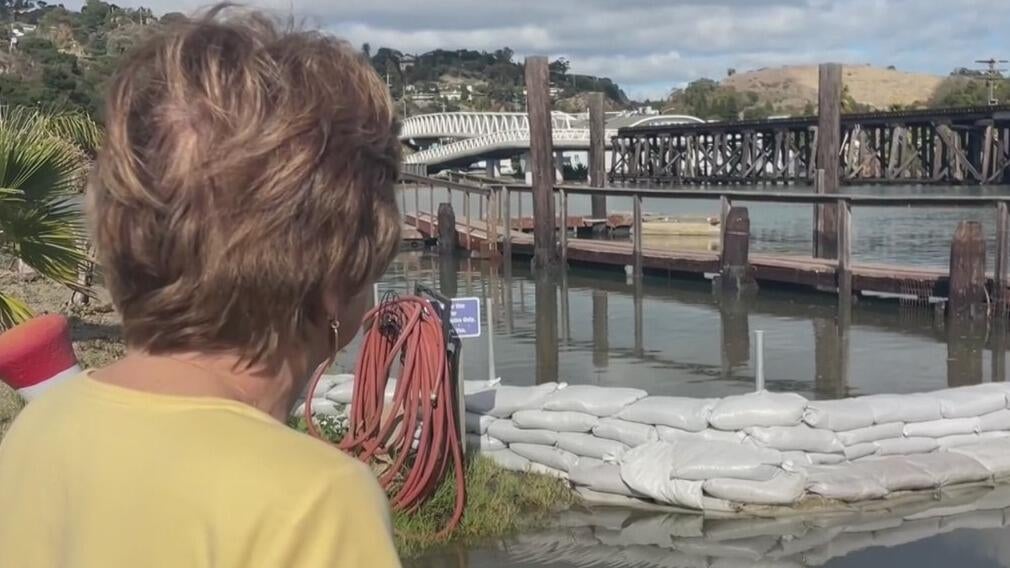
High tide flooding causes road closures in Mill Valley
By Marcus Chen
Advertisement · Why this ad?
Katherine oversees editorial operations across all six brands. Before joining The Meridan Group, she spent 14 years at the Minneapolis Star Tribune, where she led the metro desk through its digital transformation. She holds a Master's in Journalism from Northwestern's Medill School.
More from Katherine →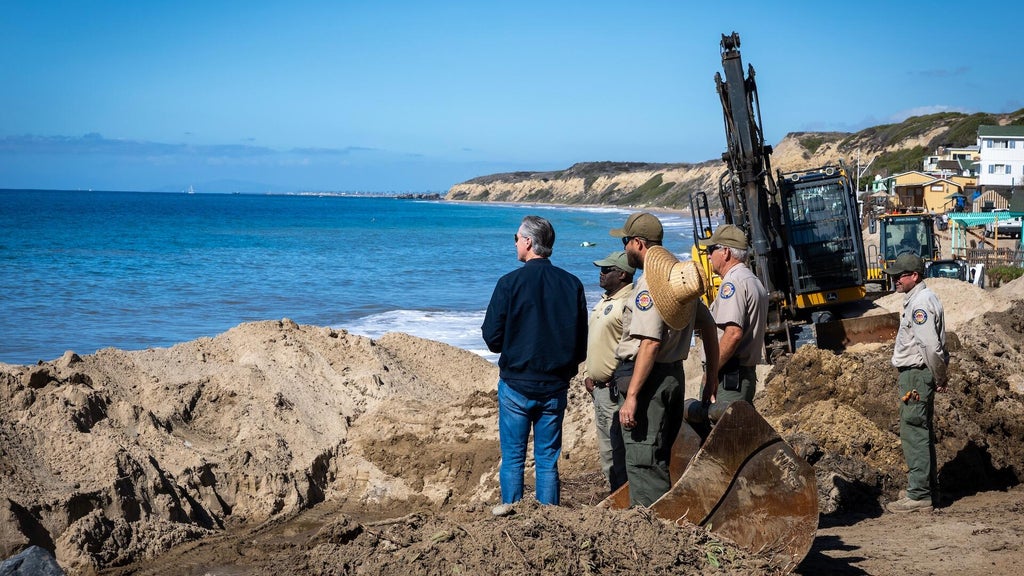
As storm clouds gather on the horizon, Governor Gavin Newsom took decisive action from the scenic vantage of Crystal Cove State Park. His executive order aims to fortify the Pacific Coast Highway against the impending El Niño storms, safeguarding both the roadway and the communities it serves. This proactive stance comes as Governor Gavin Newsom signed an executive order on Tuesday to protect the Pacific Coast Highway and California coastal communities from impending El Niño storms, a move signaling the state's urgent commitment to infrastructure resilience.
The order, signed this past Tuesday, directs state agencies to prioritize critical preventative work before the expected deluge of winter storms hits. Beyond immediate concerns, it also mandates planning for the "growing climate threats facing the highway" in the long term. This comprehensive approach underscores a deep understanding of the vital role Highway 1 plays in the daily lives and livelihoods of countless Californians, from families commuting to work to children attending school.
Governor Newsom articulated the profound significance of this iconic route, stating, "Highway 1 is more than our nation's most iconic roadway. It keeps our coastal economy moving. It gets people to work, children to school, goods to local businesses, first responders where they're needed most, and visitors to our legendary beaches." This sentiment resonates deeply with residents who cherish the scenic beauty and economic vitality the highway provides, understanding that its stability is paramount to their way of life.
The urgency behind the Governor's order is rooted in recent history. The 2022-2023 winter storms inflicted significant damage across the state, necessitating over $100 million in emergency repairs. One stark example of this vulnerability was the emergency repair work recently undertaken near Newport Beach, where a large crack formed in a cliff under the highway between Newport Beach and Laguna Beach, forcing partial closures and highlighting the constant threat posed by natural forces.
Such disruptions are not merely inconveniences; they carry a heavy toll. "We know what repeated closures cost these communities," Newsom emphasized, "and we're putting state agencies to work now to reduce the danger before storms hit." These costs extend beyond immediate repair expenses, impacting local businesses, tourism, and the ability of families to maintain stable routines and access essential services.
The executive order mobilizes a wide array of state resources, directing agencies such as the California Department of Transportation (Caltrans), the California Office of Emergency Services (CalOES), and the California Coastal Commission to coordinate their efforts. Other key players include the California Department of Parks and Recreation, the California Geological Survey, the California Conservation Corps, and even the California National Guard, all tasked with contributing expertise and manpower to fortify the coast.
This multi-agency collaboration is crucial for implementing a robust strategy that encompasses infrastructure hardening, nature-based solutions, and enhanced early warning systems. The state has already allocated a substantial $1 billion in the 2023-2024 state budget for climate resilience and adaptation strategies, demonstrating a significant financial commitment to protecting California's future.
The order specifically highlights the impact on education, acknowledging the concerns raised by State Superintendent of Public Instruction Tony Thurmond regarding potential school closures and disruptions to school transportation. For families, the ability for children to attend school consistently is fundamental to their development and the stability of the household, making reliable infrastructure a cornerstone of community well-being.
While Atherton is an inland community, the Governor's executive order to protect coastal infrastructure, particularly Highway 1, carries significant implications for our residents. The stability of our regional economy, which underpins the American dream for many, is intrinsically linked to the health of California's vital infrastructure, including its iconic coastal routes. Reliable transportation corridors are essential for the daily rhythms of family life – ensuring children reach school, parents commute to work, and essential services are accessible.
Local school districts, such as the Menlo Park City School District and the Las Lomitas Elementary School District, rely on a functioning transportation network to ensure students and staff can safely and consistently reach campuses. Disruptions on major arteries, even those seemingly distant, can create ripple effects that impact traffic, supply chains, and the overall flow of goods and services that our Town of Atherton depends on.
The economic impact of coastal closures extends far beyond the immediate vicinity. Supply chain disruptions can affect local businesses in Atherton, leading to higher costs or limited availability of goods. Furthermore, the health of California's tourism, fisheries, and agriculture industries, many of which rely on coastal access and transportation, directly influences the broader state economy and, by extension, the financial well-being of families throughout San Mateo County.
Beyond immediate storm preparedness, the executive order emphasizes long-term climate resilience and adaptation strategies. This includes not only fortifying existing infrastructure but also exploring nature-based solutions that work with, rather than against, the natural environment. Community engagement is a cornerstone of this approach, ensuring that local voices and traditional knowledge contribute to sustainable solutions.
The commitment to protecting Highway 1 is a testament to California's dedication to its communities and the families who call this state home. By investing in resilient infrastructure, the state is safeguarding not just roads and bridges, but the very fabric of daily life – the ability for parents to provide for their children, for students to pursue their education, and for communities to thrive in the face of environmental challenges. This proactive stance reflects a deep understanding that strong, intact families and stable communities are built upon a foundation of security and accessibility.
As the sun sets over the Pacific, the promise of a more resilient highway offers hope for families and businesses who call this vibrant coastline home. This commitment to preparedness and long-term planning ensures that California's iconic landscapes and the communities nestled within them will continue to flourish for generations to come, embodying the enduring spirit of the American dream. For more information on emergency preparedness, residents can visit the California Office of Emergency Services website, and for local updates, the Town of Atherton's official site remains a valuable resource. Further insights into coastal protection efforts can be found through the California Coastal Commission.
By Marcus Chen

By Marcus Chen

By Katherine Langford
By Marcus Chen