Technology
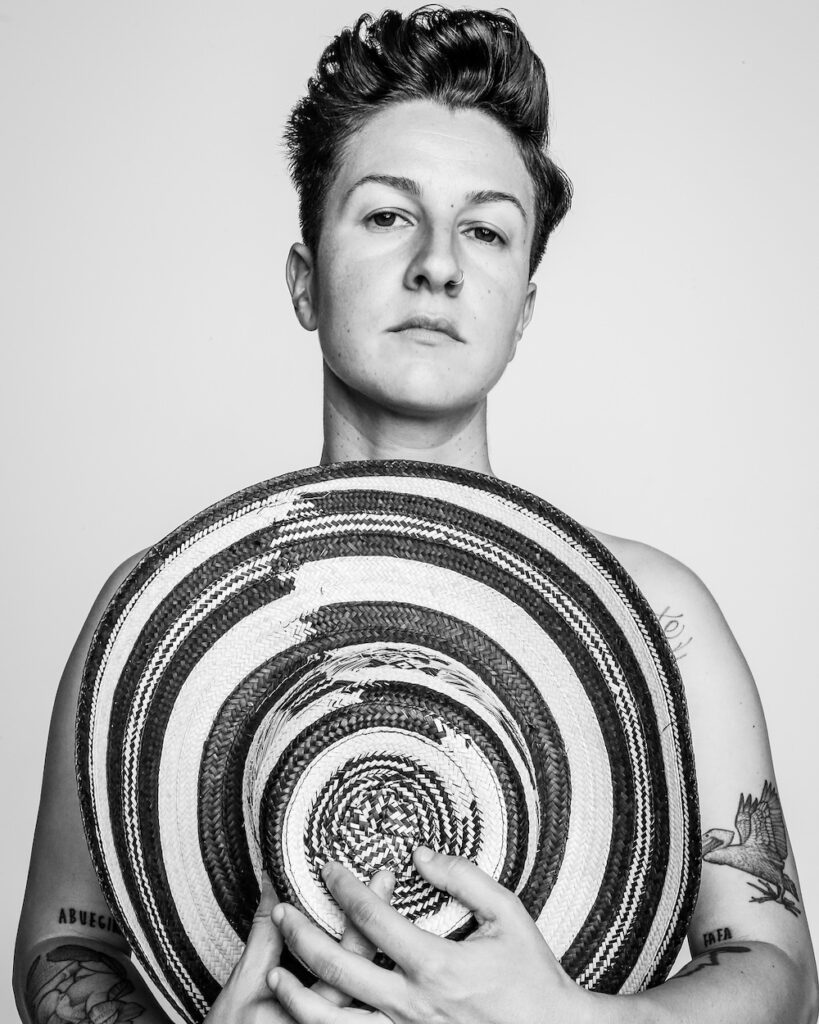
Jess Sabogal’s gleaming trans messages of the extraordinary
By Marcus Chen
Advertisement · Why this ad?
Katherine oversees editorial operations across all six brands. Before joining The Meridan Group, she spent 14 years at the Minneapolis Star Tribune, where she led the metro desk through its digital transformation. She holds a Master's in Journalism from Northwestern's Medill School.
More from Katherine →
William Greaves was a prolific documentarian for several decades, but since he passed away 12 years ago at age 87, he’s become best-known for works that were seen barely or not at all during his lifetime. The experimental feature Symbiopsychotaxiplasm: Take One was shot in 1968, blurring lines between fiction and nonfiction as it depicted a director (played by himself) losing control of a project filmed in Central Park. At the time, no one knew what to make of this quasi-verite, semi-improvised, relentlessly self-questioning objet d’art. So it basically vanished—until much later, it attracted fans including Steve Buscemi and Steven Soderbergh, who not only secured a belated release but helped Greaves secure means for a 2005 “sequel” called Symbiopsychotaxiplasm: Take 2 1/2. Still, those were avant-garde endeavors destined for limited audiences. Now, however, the late Greaves has a “new” movie likely to be seen by more people than anything since the days when his portraits of Africa
By Marcus Chen

By Katherine Langford
By Katherine Langford

By Marcus Chen