Health
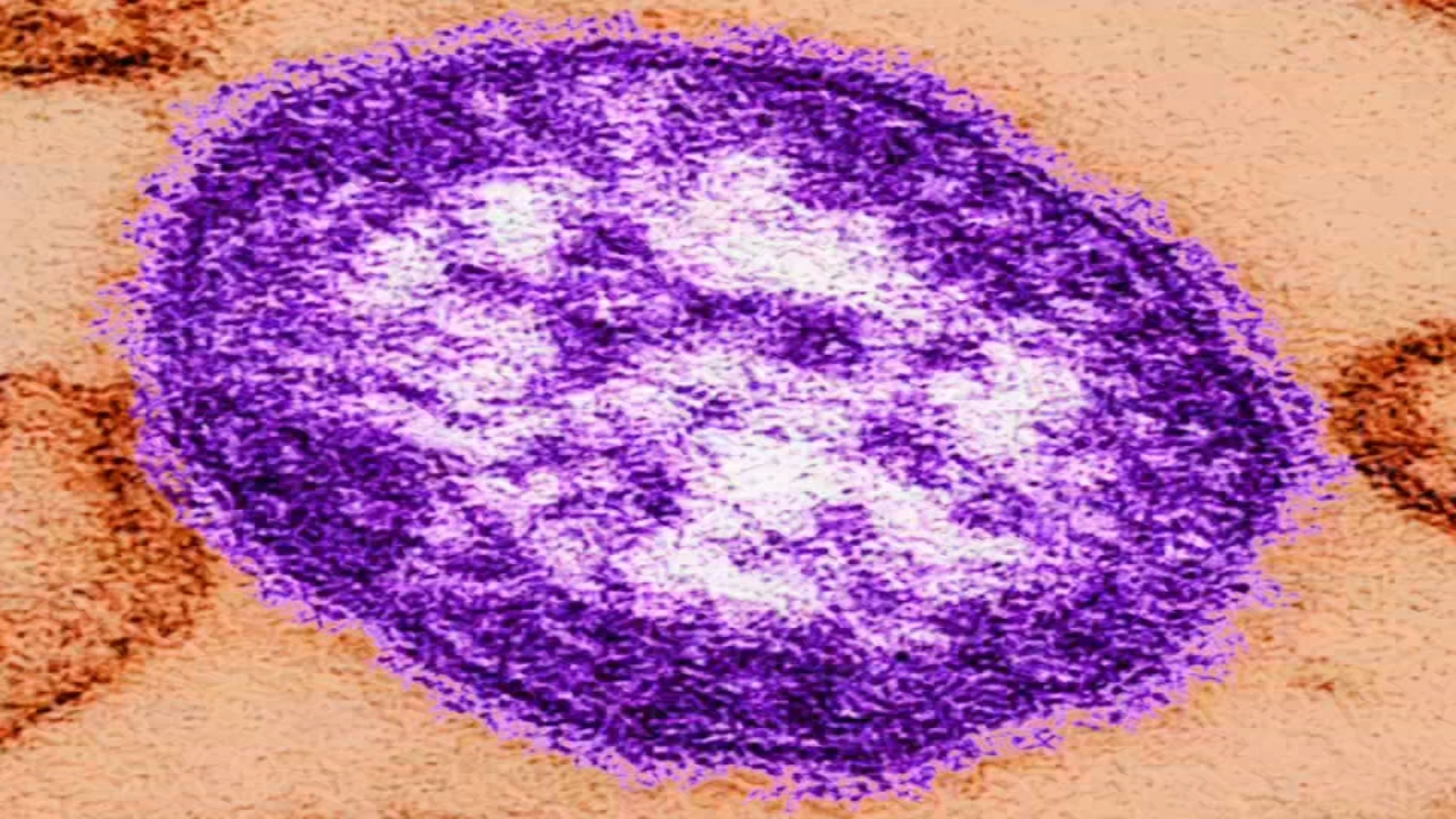
8th measles-related death reported in Wisconsin: Health officials
By Katherine Langford
Advertisement · Why this ad?
Marcus manages the day-to-day editorial workflow across all brands, coordinating coverage assignments and ensuring editorial standards are met. He previously served as city editor at the Pioneer Press and holds a degree in Political Science from Carleton College.
More from Marcus →
The prospect of future conflicts exposing service members to unseen dangers has prompted Sen. Tammy Duckworth to introduce legislation aimed at proactively protecting veterans’ health. The bill, announced Tuesday, seeks to accelerate the Department of Veterans Affairs' (VA) assessment of toxic hazards in combat zones and streamline access to healthcare and disability benefits for those who develop illnesses linked to their service—a move echoing the significant changes brought about by the 2022 PACT Act. This latest effort highlights the ongoing need to safeguard the well-being of those who serve, particularly as new deployments arise in volatile regions like the Middle East.
Senator Duckworth's proposed legislation addresses a critical gap in the current system for identifying and responding to toxic hazards faced by troops deployed in combat zones. Currently, there is no established process for rapidly adding new areas to the list of locations where veterans are presumed to have experienced toxic exposure, potentially delaying access to vital healthcare and disability benefits. The bill mandates the VA assess potential hazards within 180 days of troops being deployed to a new combat zone and recommend whether those who served there should be presumed exposed. It also requires the department to re-evaluate existing overseas assignments every five years, ensuring previously unrecognized hazards are identified. This builds upon the foundation laid by the PACT Act, a landmark piece of legislation enacted in 2022 that provided expanded VA care and benefits to millions of veterans.
A key component of Duckworth's bill is the addition of Iran to the list of covered combat zones. This proactive measure acknowledges the potential for exposure to environmental hazards arising from ongoing conflicts, including damage to oil facilities, chemical spills, or even the use of chemical weapons—risks that may not yet be fully defined. The senator’s statement emphasized the need to “learn the lessons from previous conflicts and proactively ensure Iran Veterans don't suffer from those same mistakes.” The PACT Act itself represented a significant shift in how the VA handles veterans’ claims, allocating nearly $280 billion over a decade, according to the Congressional Budget Office. It eased the burden on veterans seeking disability benefits by reducing the need to directly prove that illnesses were caused by toxic exposure, instead relying on qualifying service as sufficient evidence.
The PACT Act’s impact has already been substantial, with the VA approving approximately 1 million claims for healthcare and disability compensation tied to the act as of May 2024. This includes veterans of Iraq and Afghanistan who were exposed to burn pits—makeshift waste disposal sites where troops burned trash, medical waste, jet fuel, and plastics—which have been linked to respiratory issues and cancers. The law also expanded presumptions of Agent Orange exposure for veterans who served in Southeast Asia during the Vietnam War era and addressed radiation exposure among those who responded to the 1968 B-52 crash in Greenland. Previously, veterans faced an often insurmountable challenge in documenting exposure and proving its link to later-onset illnesses, a process frequently bogged down in legal battles and bureaucratic delays.
While direct community reaction within Atherton to this specific legislation is not readily available, the broader response from veterans' advocacy groups and families impacted by toxic exposure has been one of cautious optimism. The PACT Act itself was the culmination of years of tireless advocacy by veterans organizations and figures like comedian Jon Stewart, who championed similar assistance for 9/11 first responders. The ongoing effort to proactively identify and address toxic hazards demonstrates a commitment to ensuring that future generations of service members are not subjected to the same challenges faced by those who served in previous conflicts. The bill’s focus on Iran is particularly relevant given the ongoing instability in the Middle East and the potential for environmental hazards to impact deployed troops.
The ease of access to benefits under the PACT Act has been a welcome change for many veterans and their families, removing a significant barrier to receiving the care they deserve. However, some advocate for even more comprehensive assessments of potential hazards and expanded presumptions of exposure. The bill’s inclusion of Iran reflects a desire to anticipate and mitigate potential risks before they impact the health and well-being of those serving in harm’s way. The challenges faced by veterans exposed to toxic substances underscore the importance of supporting strong families and communities that can provide a stable foundation for those returning from military service.
The legislation underscores a fundamental truth: preventing harm is always preferable to treating its consequences. By proactively identifying and addressing toxic hazards, the VA can potentially mitigate the long-term health impacts on service members and reduce the burden on the healthcare system. This approach aligns with a commitment to safeguarding the well-being of those who answer the call to serve, ensuring they receive the care and support they need when they return home. It also highlights the ongoing need for vigilance and adaptability in addressing emerging threats to veterans' health.
The bill is now headed for consideration by Congress, where its fate will depend on the support of lawmakers from both parties. Given the bipartisan nature of the PACT Act and the widespread recognition of the challenges faced by veterans exposed to toxic substances, there is reason to believe that Duckworth’s proposal could garner significant support. However, the legislative process can be unpredictable, and amendments or delays are always possible. The bill's success will also depend on the VA’s ability to effectively implement its provisions and rapidly assess potential hazards in new combat zones.
Looking ahead, it will be crucial to monitor the VA’s implementation of the bill and assess its impact on veterans’ health outcomes. Continued advocacy from veterans organizations and families impacted by toxic exposure will be essential to ensure that the agency remains accountable and responsive to the needs of those who serve. The inclusion of Iran in the list of covered combat zones warrants particular attention, as the situation in the Middle East remains volatile and new hazards may emerge.
This legislation, while a welcome step, underscores a deeper issue within our national defense and veteran care systems: the tendency to react rather than anticipate. We've seen the devastating consequences of that reactive approach with burn pit exposure and Agent Orange, leaving generations of veterans struggling with preventable illnesses. The proactive assessment of hazards, particularly in regions like Iran where instability is the norm, is not just a bureaucratic adjustment; it's a moral imperative.
What concerns me is the potential for bureaucratic inertia to slow down the VA’s implementation. The agency has a history of struggling with timely responses and efficient processes. It will be vital for Congress to provide robust oversight and ensure the VA has the resources and authority to swiftly identify and address these threats. The real victory won’t be the passage of the bill itself, but the demonstrable improvement in the health and well-being of our service members.
Beyond government action, this situation highlights the importance of strong, stable families—the bedrock of our society. When our veterans return home, they need more than just healthcare; they need a supportive environment where they can heal, reconnect, and rebuild their lives. Investing in programs that strengthen marriages and families is an investment in the long-term health and resilience of our nation's heroes. It’s a reminder that true service extends beyond the battlefield to the communities that welcome them home.
Ultimately, this legislation should serve as a catalyst for a broader conversation about how we care for those who serve, moving away from reactive measures and embracing a proactive approach that prioritizes prevention and long-term well-being. The American dream promises opportunity and security; it's our responsibility to ensure that those who defend that dream receive the care and support they deserve.
The introduction of this bill is a positive development, but it’s only one piece of a larger puzzle. Continued vigilance, advocacy, and a commitment to proactive measures are essential to ensuring that future generations of veterans do not suffer the same fate as those who have come before.
By Katherine Langford

By Marcus Chen

By Katherine Langford

By Katherine Langford